

Monthly Archives :

February 2026

Arizona Short Term Rental Rules - 2026 Update - Gottlieb Law

Arizona Short-Term Rental Rules – 2026 Legislative Update

Arizona Short-Term Rental Rules – 2026 Legislative Update 1350 875 Gottlieb Law

Gottlieb Law, PLC provides this article for information purposes only, and nothing herein creates an attorney-client relationship. You should not take any actions in reliance on any of the information contained herein without consulting with qualified legal counsel first, and reading this article is not a proper substitute for seeking legal advice for your specific situation.  Laws change over time, and you should seek counsel to discuss any specific legal questions.


Current Arizona Short-Term Rental Law

Arizona remains one of the more short-term-rental-friendly states in the country — but not without regulation.

Under A.R.S. § 9-500.39 (cities and towns) and A.R.S. § 11-269.17 (counties):

  • Municipalities may not prohibit vacation rentals or short-term rentals.
  • Local governments may not regulate STRs differently solely based on classification, use, or occupancy — except as specifically authorized by statute.
  • State preemption remains in effect.

However, cities and counties may regulate STRs for certain purposes, including:

  • Public health and safety (fire, building, sanitation, traffic, waste).
  • Nuisance enforcement (noise, property maintenance, welfare protections).
  • Local permit or licensing requirements (fee capped at actual cost or $250).
  • Emergency contact designation requirements.
  • Mandatory liability insurance (minimum $500,000 coverage).
  • Structured civil penalties for verified violations.
  • Suspension of local permits for qualifying violations.
  • Prohibition of nonresidential event-style uses (e.g., weddings, banquet halls, retail operations).

Short-term rentals remain legal statewide, but enforcement authority is significantly stronger than in the early years following preemption.

The 2022 Turning Point: SB1168 (Laws 2022, Ch. 343)

The most significant modern shift in Arizona STR regulation occurred in 2022 with Senate Bill 1168.

That legislation did not repeal state preemption. Instead, it strengthened enforcement and regulatory structure by:

  • Authorizing local permit requirements (with capped fees).
  • Establishing a graduated civil penalty schedule.
  • Allowing permit suspension for repeated verified violations.
  • Requiring emergency contact availability.
  • Prohibiting nonresidential event-style uses.
  • Strengthening transaction privilege tax (TPT) enforcement and advertising requirements.

After 2022, Arizona shifted from a largely hands-off preemption model to a structured enforcement framework.

STRs remained legal — but municipalities gained clearer authority to discipline bad actors.

For more background on Arizona’s evolving STR laws, check out our earlier coverage:

Proposed 2026 Legislation: SB1076

As of this writing (February 2026), SB1076 has been introduced but has not yet been enacted into law.  Viewers should consult with a lawyer to confirm if the law has been passed at a later date.

If passed in its current form, SB1076 would amend A.R.S. § 9-500.39 to allow:

  • Cities and towns with a population under 70,000 to:

    • Set a maximum number of STR permits.
    • Impose minimum distance requirements between STR properties.

Importantly:

  • Larger cities such as Phoenix, Scottsdale, Mesa, and Tempe would not receive this authority.
  • The bill does not authorize outright bans.
  • State preemption would remain intact.
  • The legislation is currently pending and subject to amendment or failure.

Because SB1076 has not passed as of February 2026, property owners should not assume these changes are currently in effect but should monitor updates accordingly as time passes.

Other Proposed 2026 STR Bills

Multiple additional bills referencing § 9-500.39 have been introduced during the 2026 session. These proposals address topics such as regulatory notice requirements and scope of authority.

As of now:

  • None have been enacted as of February 2026.
  • All remain subject to committee review and amendment.
  • The final legislative outcome remains uncertain.

STR operators should monitor legislative developments closely.

What Cities and Counties Can Regulate Right Now

Under current law, local governments may regulate:

  • Health and safety compliance.
  • Noise and nuisance issues (applied equally to comparable residential property).
  • Permit or registration requirements.
  • Emergency contact availability.
  • Liability insurance requirements.
  • Civil penalties for verified violations.
  • Nonresidential event uses.

They may not:

  • Prohibit STRs outright.
  • Impose zoning bans targeted specifically at STRs inconsistent with state preemption.
  • Enact density caps or spacing requirements (unless future legislation authorizes it).

Zoning Considerations

Municipal zoning authority remains subject to statutory limits.

Any zoning regulation affecting STRs must be applied in the same manner as other similarly classified residential property under Title 42.

At present, municipalities cannot impose targeted density caps or spacing requirements unless new legislation is enacted.

HOA and Private Community Restrictions

Even where municipal regulation permits STR operation, homeowners’ associations may restrict or prohibit short-term rentals through CC&Rs.

HOA authority operates independently of municipal regulation.

STR owners should review governing documents carefully before operating.

Enforcement and Penalties

Current statute authorizes:

  • Civil fines beginning at $500 (or one night’s rent, whichever is greater).
  • Escalating fines for repeat violations.
  • Suspension of local permits for up to 12 months after qualifying violations.
  • Mandatory cessation of operations for failure to obtain required permits.

Repeated violations can create substantial financial and operational risk.

Recent Case Law Update

In late 2025, the Arizona Court of Appeals reinforced the application of state preemption in Oak Creek Hospitality, LLC v. City of Sedona. The court held that the statutory phrase “house or dwelling unit” in A.R.S. § 9-500.39 includes individual mobile home units, meaning a city may not categorically prohibit short-term rentals simply because the dwellings are mobile homes located in a mobile home park.  The decision also underscores that preemption issues can arise from how a city enforces its rules, not just how an ordinance is written.  At the same time, the court recognized that cities may still require owners to follow the statute’s permitting and compliance process.

Practical Takeaways for STR Owners

  1. State preemption remains in place.
  2. Enforcement authority has expanded significantly since 2022.
  3. Density caps and spacing requirements are not currently authorized under existing law.
  4. SB1076 could change the landscape for smaller municipalities if enacted.
  5. Compliance with permit, insurance, and emergency contact requirements is essential.
  6. Legislative developments in 2026 warrant monitoring.

When to Seek Legal Guidance

Legal consultation may be appropriate when:

  • Facing municipal enforcement action.
  • Evaluating STR acquisition.
  • Drafting rental agreements.
  • Addressing HOA restrictions.
  • Responding to citations or suspension proceedings.
  • Planning investment strategy amid pending legislative change.

Arizona’s STR framework continues to evolve. Understanding both current law and proposed changes is essential for responsible ownership and investment.

How Gottlieb Law Can Help

Arizona’s short-term rental law is no longer one-size-fits-all. Gottlieb Law provides customized legal guidance for STR property owners, managers, and investors across the state. 

We help our clients:

  • Navigate short-term rental issues
  • Draft contracts
  • Understand local ordinances.
  • Dispute HOA or city citations.
  • Handle complaints or enforcement actions.

If you’re uncertain about your compliance or need help resolving an issue, schedule a consultation with our team today.  Contact Gottlieb Law today at 602-899-8188 to schedule a consultation or visit gottlieblawaz.com.


Gottlieb Law, PLC provides this article for information purposes only, and nothing herein creates an attorney-client relationship. You should not take any actions in reliance on any of the information contained herein without consulting with qualified legal counsel first, and reading this article is not a proper substitute for seeking legal advice for your specific situation.  Laws change over time, and you should seek counsel to discuss any specific legal questions.


Understanding Arizona Real Estate Disputes - Gottlieb Law

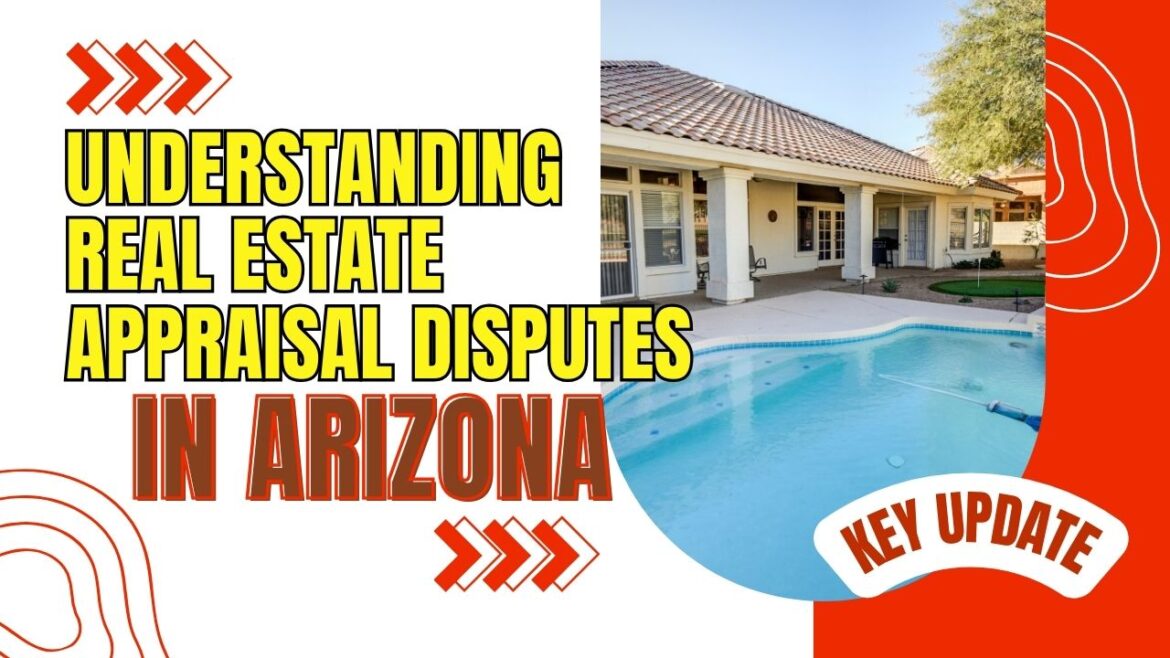
Understanding Arizona Real Estate Appraisal Disputes

Understanding Arizona Real Estate Appraisal Disputes 1280 720 Gottlieb Law

Gottlieb Law, PLC provides this article for information purposes only, and nothing herein creates an attorney-client relationship. You should not take any actions in reliance on any of the information contained herein without consulting with qualified legal counsel first, and reading this article is not a proper substitute for seeking legal advice for your specific situation.  Laws change over time, and you should seek counsel to discuss any specific legal questions.


Real estate appraisal disputes in Arizona are more common than many property owners realize. Whether the disagreement involves a county assessor’s valuation, an insurance company’s appraisal after property damage, or a low appraisal during a real estate transaction, disputes over value can significantly impact finances and legal rights.

Arizona law provides structured avenues for addressing appraisal disagreements, but the process varies depending on the context in which the appraisal arises. Understanding which framework applies is critical.

The Role of Appraisals in Arizona

In Arizona, real estate appraisals estimate a property’s fair market value. These valuations are commonly used in several settings:

  • Property tax assessments by county assessors

  • Insurance claims following property damage

  • Mortgage lending during real estate transactions

  • Probate and estate administration

Because appraisals directly affect taxation, financing, insurance payouts, and estate distributions, disagreements over value are not uncommon.

Appraisal Disputes in Property Tax Assessments

Arizona property owners have the right to challenge the county assessor’s valuation of their property. Each year, the county assessor issues a Notice of Value. If a property owner believes the valuation is excessive, an appeal may be filed.

In most counties, including Maricopa County, the process generally involves:

Informal Appeal

The property owner submits evidence directly to the assessor’s office. Supporting documentation may include comparable sales data, condition reports, or independent appraisals.

Formal Appeal

If the informal process does not resolve the dispute, the owner may file a formal appeal with the appropriate County Board of Equalization or the Arizona State Board of Equalization, depending on jurisdiction.

Deadlines are strict.  Appeals must be filed within the applicable statutory deadline following the Notice of Value.  Because deadlines are strict, consulting legal counsel promptly is advisable. The appeal process is governed by Arizona Revised Statutes Title 42.

Failure to comply with statutory deadlines may result in forfeiture of appeal rights.

Appraisal Clauses in Insurance Policies

When property damage occurs, disputes may arise between the policyholder and insurer regarding the amount of loss. Most Arizona property insurance policies include an appraisal clause designed to resolve valuation disagreements without litigation.

Typically:

  • Each party selects an independent appraiser.

  • The two appraisers select a neutral umpire.

  • If the appraisers disagree, the umpire resolves the valuation issue.

Importantly, the appraisal process determines the amount of the loss, not whether coverage exists under the policy. Coverage disputes are separate legal issues.

Arizona courts generally enforce appraisal clauses when the policy language is clear and unambiguous.

Real Estate Transaction Appraisal Disputes

In residential transactions, lenders require an appraisal to confirm that the property supports the agreed purchase price. If the appraisal comes in lower than expected, financing may be affected.

Many Arizona real estate contracts — including those using Arizona Association of REALTORS® forms — contain a financing contingency. This provision may allow a buyer to cancel the contract if financing cannot be obtained due to an insufficient appraisal.

Disputes can arise when:

  • A seller challenges the appraisal’s methodology

  • A buyer seeks a price reduction

  • The parties disagree about contract cancellation rights

Most Arizona real estate contracts require mediation before litigation. Mediation is a non-binding process where a neutral third party assists in attempting to resolve the dispute.

Estate and Probate Appraisal Disputes

Appraisals are also central to estate administration. When a property owner passes away, real estate must be valued for probate and tax purposes.

Disputes may arise if heirs or beneficiaries question the valuation. In such situations:

  • A second independent appraisal may be obtained

  • The probate court may consider competing valuation evidence

  • The court may appoint a neutral appraiser if necessary

Arizona probate courts focus on determining fair market value based on objective data and competent evidence.

Resolving Appraisal Disputes in Arizona

The appropriate resolution method depends on the type of appraisal dispute. However, many disputes follow a similar progression:

  • Informal negotiation between parties

  • Mediation, where required by contract or agreed upon voluntarily

  • Arbitration, if contractually mandated

  • Litigation, when necessary to resolve significant legal issues

Arizona courts generally enforce dispute resolution procedures agreed to in contracts, including those found in insurance policies and real estate agreements.

When to Get Legal Advice

Property owners should consider legal guidance when:

  • Filing a formal property tax appeal

  • An insurance appraisal clause is unclear or improperly invoked

  • A real estate transaction is jeopardized by a disputed appraisal

  • A probate dispute materially affects estate distributions

An attorney can help ensure compliance with statutory deadlines, preserve contractual rights, and present effective valuation evidence.

Closing Thoughts

Appraisal disputes in Arizona arise in multiple contexts — tax assessments, insurance claims, real estate transactions, and probate matters. Each situation follows a different procedural framework.

Understanding the applicable process and acting promptly are essential to protecting your interests. When valuation disagreements involve significant financial consequences, obtaining experienced legal guidance can help ensure that your rights are properly preserved. Contact Gottlieb Law today at 602-899-8188 or schedule an initial consultation online.


Gottlieb Law, PLC provides this article for information purposes only, and nothing herein creates an attorney-client relationship. You should not take any actions in reliance on any of the information contained herein without consulting with qualified legal counsel first and reading this article is not a proper substitute for seeking legal advice for your specific situation.  Laws change over time, and you should seek counsel to discuss any specific legal questions.


What to Do if Your Contractor Abandons a Job in Arizona

What to Do if Your Contractor Abandons a Job in Arizona

What to Do if Your Contractor Abandons a Job in Arizona 1280 853 Gottlieb Law
Gottlieb Law, PLC provides this article for informational purposes only. Reading it does not create an attorney-client relationship, and you should not act or rely on any of the information herein without first consulting qualified legal counsel. Laws and local procedures change frequently. Always seek legal advice specific to your situation.

Few issues frustrate Arizona homeowners more than a contractor who suddenly stops showing up, leaves a project half‑finished, or refuses to return calls. Whether it involves a remodel, an addition, or a major repair, contractor abandonment can leave homeowners dealing with unsafe job sites, mounting costs, and uncertainty about what to do next.

Arizona law provides homeowners with several potential tools to address contractor abandonment, but the appropriate response depends on the specific facts of the situation, and action often must be taken promptly. This guide explains how contractor abandonment is generally understood under Arizona law, what steps homeowners commonly consider taking immediately, and the remedies that may be available through the Arizona Registrar of Contractors (ROC) and, in some cases, the courts.

What Counts as Contractor Abandonment in Arizona?

Arizona law addresses contractor abandonment as a form of misconduct that may subject a contractor to discipline. Under A.R.S. § 32‑1154(A)(1), a contractor may be disciplined for the “abandonment of a contract or refusal to perform after submitting a bid on work without legal excuse.” In practical terms, abandonment often involves a contractor stopping work without explanation, disappearing for an extended period, or refusing to complete the project despite having been paid for completed phases.

Homeowners should be careful not to confuse true abandonment with delays that commonly occur in construction projects. Work may slow or pause for legitimate reasons such as material shortages, subcontractor availability issues, inspection requirements, weather conditions, or unresolved design changes. When a contractor continues to communicate, provides updated timelines, and demonstrates an effort to move the project forward, the situation may not qualify as “abandonment” under Arizona law.

By contrast, extended periods of silence, repeated missed deadlines, ignored written notices, and the absence of any credible plan to resume or complete the work may indicate legally actionable abandonment.

Understanding this distinction is important because the Arizona Registrar of Contractors (ROC) treats abandonment as a specific violation that can result in license discipline, corrective orders, and, in some circumstances, access to remedies involving the contractor’s bond or the Residential Contractors’ Recovery Fund.

Immediate Steps to Protect Yourself

Secure the jobsite
If the project has been left exposed or unsafe, take reasonable steps to prevent further damage or hazards. This may include covering openings, securing utilities, and protecting materials. Arizona law generally expects property owners to take reasonable measures to mitigate additional damage, and even limited precautions can help prevent losses from escalating.

Pause future payments
Avoid making additional payments until the situation is clarified. Payments should correspond to actual, verifiable progress. If a contractor has abandoned the job, further payments may significantly reduce your ability to recover losses.

Document everything
Organize your contract, change orders, payment records, plans, permits, inspection results, and all communications with the contractor. Take clear, dated photographs of the jobsite. Create a timeline noting when work began, when it slowed, and when it stopped. Thorough documentation is critical whether you pursue an ROC complaint, explore civil remedies, or engage a replacement contractor.

Review Your Contract

Your written contract often governs what steps should be taken next.  Review it carefully for provisions such as:

Notice‑and‑cure requirements
Many contracts require the homeowner to provide written notice of default and allow the contractor a specified period of time to correct the problem before the contract may be terminated.

Termination provisions
These clauses typically define when and how the contract may be ended, including any required notice or conditions that must be met.

Dispute‑resolution requirements
Some contracts require mediation or arbitration before a lawsuit may be filed, or impose other pre‑litigation procedures.

Attorney’s fees provisions
Fee‑shifting clauses may interact with Arizona statutes governing attorney’s fees and can significantly affect the cost and strategy of a dispute.

Following the procedures set forth in the contract can strengthen your position and reduce the risk of claims that the contract was terminated prematurely.

Attempt Resolution Carefully

Before escalating the matter, consider sending the contractor a formal written demand that identifies the incomplete work, missed deadlines, and requests a clear plan to complete the project. Provide a reasonable deadline for a response and keep all communications factual, professional, and well documented.

In some cases, what appears to be abandonment may stem from poor management rather than an intent to walk away. Clear communication may resolve the issue or clarify whether the contractor intends to return. However, homeowners should remain alert to warning signs such as demands for additional payment without corresponding progress, refusal to provide a schedule, threats, or prolonged silence. In those situations, continued delay often increases costs and complications rather than improving the outcome.

Verify the Contractor’s License and Bond

Use the Arizona Registrar of Contractors public license lookup to confirm whether the contractor is properly licensed, bonded, and potentially eligible for the Residential Contractors’ Recovery Fund. The ROC’s records may also show complaint history or prior disciplinary actions, which can be relevant when evaluating available options.

If the contractor is unlicensed, the ROC generally cannot process the matter as a standard workmanship or abandonment complaint. Although unlicensed contracting is itself a violation of Arizona law, available remedies often shift toward civil claims rather than administrative relief.

How to File a Complaint with the Arizona ROC

For disputes involving a licensed contractor, filing a complaint with the Arizona Registrar of Contractors (ROC) is often one of the more accessible and cost‑effective ways to address abandonment or workmanship issues.

When Filing a ROC Complaint May Be Appropriate

  • Work remains incomplete or defective
  • The contractor has stopped communicating
  • Good‑faith attempts to resolve the issue have failed
  • You are seeking an official investigation or corrective action

What to expect

Complaint filing
The homeowner submits a complaint along with supporting documentation describing the alleged abandonment or workmanship concerns.

Contractor notice and response
The ROC notifies the contractor of the complaint and provides an opportunity to respond. In some cases, the ROC may encourage voluntary resolution.

Inspection or investigation
If the matter proceeds, an ROC inspector may review the project to evaluate workmanship issues or alleged abandonment. Depending on the circumstances, the contractor may be given an opportunity to correct identified deficiencies.

Citation and hearing
If the contractor fails or refuses to correct the issues, the ROC may issue a citation and refer the matter to the Office of Administrative Hearings for further proceedings.

Discipline or corrective orders
Following the administrative process, the ROC may impose discipline, which can include corrective work orders, license suspension or revocation, or civil penalties.

The ROC process is not intended to award full monetary damages. Its primary purpose is to regulate contractor licensing and address workmanship issues. However, ROC findings and orders may be relevant when pursuing related bond claims or determining eligibility for the Residential Contractors’ Recovery Fund.

Recovering Losses Through the Contractor’s Bond and Arizona’s Residential Contractors’ Recovery Fund

Contractor’s License Bond

Licensed Arizona contractors are required to maintain a contractor’s license bond, which may provide limited compensation for certain losses resulting from statutory violations or breach of contract. In some cases, a homeowner may pursue a bond claim after obtaining a qualifying ROC order or court judgment. Bond amounts are capped by statute and often do not cover the full cost of repairs or project completion.

Residential Contractors’ Recovery Fund

For qualifying residential projects, the Residential Contractors’ Recovery Fund may provide an additional source of recovery. General eligibility requirements include:

  • The contractor was properly licensed at the time the contract was entered into
  • The homeowner obtains a qualifying ROC order or court judgment
  • A claim is submitted within applicable statutory deadlines following final resolution of the ROC or court proceedings

The Recovery Fund may reimburse actual damages up to statutory limits per residence. While it does not typically cover all losses, it can help offset the cost of completing or repairing a residential project.

Civil Claims for Breach of Contract

When contractor abandonment results in significant financial loss, civil litigation may be pursued either alongside the ROC process or independently, depending on the circumstances.

Breach of contract
Homeowners may seek to recover damages related to a contractor’s failure to perform as required by the contract. In appropriate cases, recoverable damages may include the reasonable cost to repair defective work and to complete the project using another contractor. Arizona law also recognizes an implied warranty that construction work will be performed in a workmanlike manner.

Additional claims
Depending on the facts, a homeowner’s claims may extend beyond breach of contract and can include negligence, misrepresentation, or violations of the Arizona Consumer Fraud Act.

Attorney’s fees
Under A.R.S. § 12‑341.01, a court may award reasonable attorney’s fees to the prevailing party in a contested contract action. The potential availability of attorney’s fees can make litigation more practical in disputes involving substantial damages.

Mechanics’ Liens and Subcontractor Issues

Even when a general contractor abandons a project, subcontractors and suppliers who were not paid may still have lien rights. Properly recorded mechanics’ liens can attach to the property, cloud title, and must be addressed promptly.

Arizona law imposes strict requirements and deadlines for recording mechanics’ liens and generally requires lien foreclosure within six months after recording. Depending on the circumstances, homeowners may resolve liens through settlement, challenge invalid or defective liens, or post a statutory bond to release the lien from the property.

Hiring a Replacement Contractor

Before hiring a replacement contractor, homeowners should consider the following steps:

  • Thoroughly document the condition of all completed and partially completed work
  • Preserve and protect areas that may be important evidence in a dispute
  • Verify the replacement contractor’s license, bond, and complaint history
  • Obtain a detailed written scope of repair and completion, with clear payment terms and appropriate lien protections

Taking these precautions can help avoid compounding losses and may support future claims.

Common Mistakes to Avoid

  • Paying ahead of documented progress
  • Hiring unlicensed contractors
  • Failing to document changes or agreements in writing
  • Ignoring ROC correspondence or recorded lien notices
  • Waiting too long to take action after abandonment becomes apparent

When to Contact an Arizona Construction Attorney

Consulting an experienced construction attorney is especially important when:

  • The contractor has clearly abandoned the project
  • Multiple mechanics’ liens have been recorded
  • ROC proceedings are pending or underway
  • Repair or completion costs are substantial
  • Unsafe or uninhabitable conditions exist

An experienced construction attorney can evaluate potential claims, assist with ROC proceedings, coordinate civil litigation strategies, and help assess available recovery options, including bond claims or potential Recovery Fund eligibility.

Call Gottlieb Law today at 602-899-8188 or use our Contact Us page to schedule your consultation.

Gottlieb Law, PLC provides this article for informational purposes only and nothing herein creates an attorney-client relationship. Do not act or rely on any of the information contained herein without first consulting qualified legal counsel. Laws change frequently, and every project involves unique circumstances.