Gottlieb Law, PLC provides this article for information purposes only and nothing herein creates an attorney-client relationship. You should not take any actions in reliance on any of the information contained herein without consulting with qualified legal counsel first and reading this article is not a proper substitute for seeking legal advice of your specific situation. Laws change over time and you should seek counsel to discuss any specific legal questions.
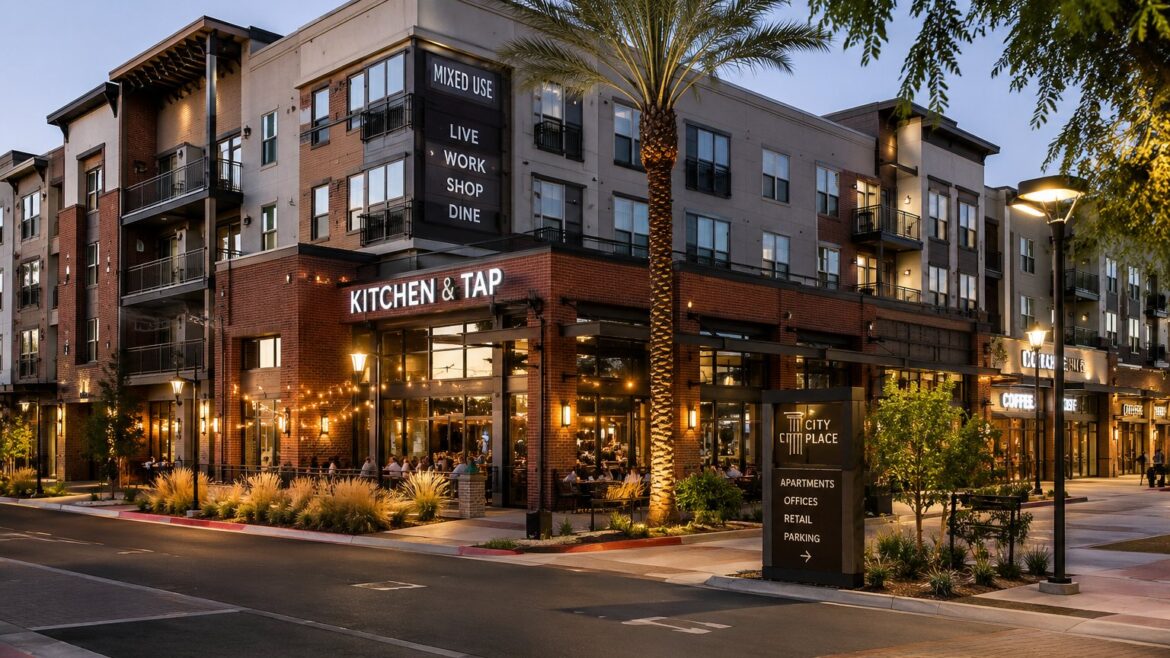
Mixed-use projects can look great on paper. Residential units above retail. Office space next to restaurants. A walkable project with several income streams instead of one. For Arizona investors, that blend can be attractive, especially in growing areas where people want convenience, density, and a stronger sense of place.
The legal side is where the deal can get rough. A mixed-use project isn’t just a commercial property with more moving parts. It’s a layered asset where zoning, parking, leases, financing, title, construction, and operations all have to fit together. One missed restriction can delay approvals, shrink rentable space, scare off lenders, or create tenant disputes after opening.
This article is general information, not legal advice. If you’re buying, developing, leasing, or financing a mixed-use property, early legal review can help identify problems while there’s still leverage to fix them.
What Makes Mixed-Use Projects Legally Different
A single-use property usually has a cleaner legal profile. A retail center is built around retail use. An apartment complex is built around residential use. A mixed-use project combines different uses on the same property, meaning different rules, risks, and expectations must coexist.
That creates tension. A restaurant may need late hours, outdoor seating, grease traps, venting, deliveries, and signage. Residential tenants may expect quiet access, security, clean common areas, and predictable parking. Office tenants may want daytime customer access and professional common spaces. If those uses aren’t planned correctly, the property can create conflict from inside its own business model.
The legal documents need to match the reality of how the project will operate. That includes leases, easements, declarations, operating agreements, construction contracts, parking plans, and maintenance obligations.
Zoning And Land Use Problems Can Stop The Deal
Zoning is usually the first major checkpoint. Investors need to confirm that every intended use is allowed, not just the main use. A site may allow multifamily but restrict restaurant use. Another site may allow retail but limit density, height, signage, patio areas, or parking reductions. Arizona municipalities can apply different local rules, so assumptions from one city may not carry into another.
Approvals can also take longer than expected. Rezoning, variances, conditional use permits, design review, neighborhood meetings, traffic studies, and public hearings can all affect timing. A project that depends on future approval should not be priced as if the approval is already guaranteed.
Smart zoning review should happen before closing or before major design money is spent.
- Confirm that all planned residential, retail, office, restaurant, and service uses are allowed.
- Review height, density, setbacks, signage, loading, open space, and parking standards.
- Identify public hearing risks and city approval timelines before capital is committed.
Due Diligence Gaps Investors Often Miss
Standard commercial due diligence may not be enough for a mixed-use deal. Title, survey, leases, and environmental review still matter, but investors also need to understand how the property functions across multiple users and future phases.
Recorded documents can create hidden problems. Easements may limit where buildings, patios, trash enclosures, or parking areas may be located. CC&Rs may block certain uses. Reciprocal access agreements may give neighboring owners rights that affect circulation. Utility capacity may not support the intended density. Existing permits may not match the investor’s redevelopment plan.
Purchase contracts also need strong contingencies. If zoning, financing, permits, tenant approvals, or title issues are unresolved, the contract should give the buyer enough room to investigate and exit if the assumptions don’t hold.
Lease Conflicts Between Residential And Commercial Uses
Mixed-use leasing needs more coordination than ordinary landlord forms provide. Residential and commercial tenants experience the same property differently, and their expectations can clash quickly.
Noise is a common issue. So are odors, trash, pest control, deliveries, signage, parking, outdoor seating, security, music, patio hours, and common area access. A restaurant tenant may be essential to the project’s value, but that same restaurant can create friction with residents if the leases and operating rules are weak.
Commercial leases should clearly address permitted uses, hours, maintenance, trash, ventilation, signage, delivery areas, and compliance obligations. Residential leases should also reflect the reality of living in a mixed-use environment. Clear drafting doesn’t eliminate every dispute, but it gives the owner a stronger framework when problems arise.
Financing, Construction, And Phasing Risks
Mixed-use financing can be more complicated because lenders may evaluate each income stream differently. Apartments, restaurants, retail, office, and hospitality uses carry different risk profiles. A lender may like the residential income but worry about retail vacancy, construction timing, or tenant improvement costs.
Construction phasing can add another layer of risk. If the commercial space isn’t finished, can the residential units open? If parking isn’t complete, can certificates of occupancy be issued? If one phase is delayed, does it affect loan draws or leasing deadlines? These questions need answers before the project depends on optimistic scheduling.
Investors should also watch for contracts that don’t align with the financing plan. Construction agreements, architect contracts, tenant improvement obligations, and development timelines should support the lender’s requirements, not fight against them.
Parking, Access, Utilities, And Shared Infrastructure
Parking can turn into a major dispute if it’s treated casually. Residents, customers, employees, visitors, delivery drivers, and service providers all need access, often at different times. If the project underestimates parking demand or fails to allocate spaces clearly, tenant conflict can start almost immediately.
Shared infrastructure needs the same attention. Trash areas, elevators, driveways, loading zones, utility systems, security, signage, restrooms, landscaping, and common-area maintenance should all be clearly assigned. Owners should know who pays, who maintains, who controls access, and what happens when one user damages or overuses a shared component.
These rights should be documented in leases, easements, declarations, or operating agreements before the project opens.
- Allocate parking between residents, employees, customers, visitors, and delivery vehicles.
- Define responsibility for shared maintenance, repairs, security, utilities, and common areas.
- Make access, loading, emergency routes, and trash systems clear in writing.
Title, Contract, And Entity Structure Pitfalls
Mixed-use projects often involve multiple investors, lenders, tenants, and contractors, as well as future exit plans. That makes entity structure and contract drafting important from the start.
Investors should review title exceptions, easements, options, rights of first refusal, use restrictions, and recorded agreements before closing. A seemingly minor title exception can become expensive if it blocks the intended design or use.
The purchase contract should also clearly define the closing conditions. Zoning approvals, financing, due diligence rights, tenant estoppels, environmental review, survey objections, and development assumptions should not be left vague. If the deal depends on something, the contract should say so.
Entity documents matter, too. If several investors own the project, the operating agreement should address capital calls, decision-making, deadlocks, sale rights, refinancing, major leases, and dispute resolution.
How Investors Can Reduce Risk Before Committing Capital
The best time to fix a mixed-use legal problem is before the investor owns it. Once the purchase closes or construction starts, leverage usually shrinks and costs rise.
A practical pre-commitment review should connect the legal documents to the business plan. It’s not enough to ask whether the property can be bought. The better question is whether the property can be developed, leased, financed, operated, and eventually sold the way the investor expects.
Before committing major capital, investors should:
- Review zoning, title, survey, leases, and development agreements together.
- Confirm approvals, timelines, city conditions, and entitlement risks in writing.
- Stress-test parking, access, utilities, tenant-use conflicts, and construction phasing.
- Make sure contracts and leases match the actual operating plan.
Contact an Experienced Arizona Real Estate Lawyer
Mixed-use real estate can be a strong investment, but the legal structure has to support the business plan. If you’re buying, developing, leasing, refinancing, or restructuring a mixed-use property in Arizona, Gottlieb Law can help identify risk before it becomes expensive.
Contact Gottlieb Law to schedule a consultation and get clear guidance before the dispute gets more expensive. Call our firm today at 602-899-8188 to schedule a consultation or visit our contact us page.
Frequently Asked Questions About Mixed-Use Real Estate Developments In Arizona
What Is A Mixed-Use Real Estate Development?
It’s a project that combines multiple uses, such as residential units with retail, office, restaurant, or hospitality space. The model can create multiple income streams, but it also adds legal and operational complexity.
Are Mixed-Use Projects Harder To Zone In Arizona?
They can be. One intended use may be allowed while another is restricted or requires special approval. Investors should confirm zoning before closing or incurring significant design costs.
What Legal Issues Do Investors Miss Most Often?
Common misses include zoning limits, parking rights, easements, title restrictions, tenant conflicts, utility capacity, and weak contract contingencies. These issues can delay or damage the project.
Can Residential And Commercial Tenants Create Legal Conflicts?
Yes. Noise, odors, deliveries, parking, trash, signage, security, and operating hours can create disputes. Strong lease drafting helps set expectations early.
Why Is Financing More Complicated For Mixed-Use Projects?
Lenders may evaluate each income stream differently because residential, retail, office, and restaurant uses carry different risks. Construction phasing and tenant improvement costs can also affect underwriting.
Do Mixed-Use Projects Need Special Parking Agreements?
Often, yes. Parking should be allocated between residents, customers, employees, visitors, and delivery vehicles. Unclear parking rights can hurt tenants, operations, and property value.
When Should I Talk To A Lawyer About A Mixed-Use Deal?
Before closing, rezoning, financing, construction, or signing major leases. Early legal review can catch zoning, title, contract, and operational problems while they’re still easier to fix.
Gottlieb Law, PLC provides this article for information purposes only and nothing herein creates an attorney-client relationship. You should not take any actions in reliance on any of the information contained herein without consulting with qualified legal counsel first and reading this article is not a proper substitute for seeking legal advice of your specific situation. Laws change over time and you should seek counsel to discuss any specific legal questions.